How It All Began
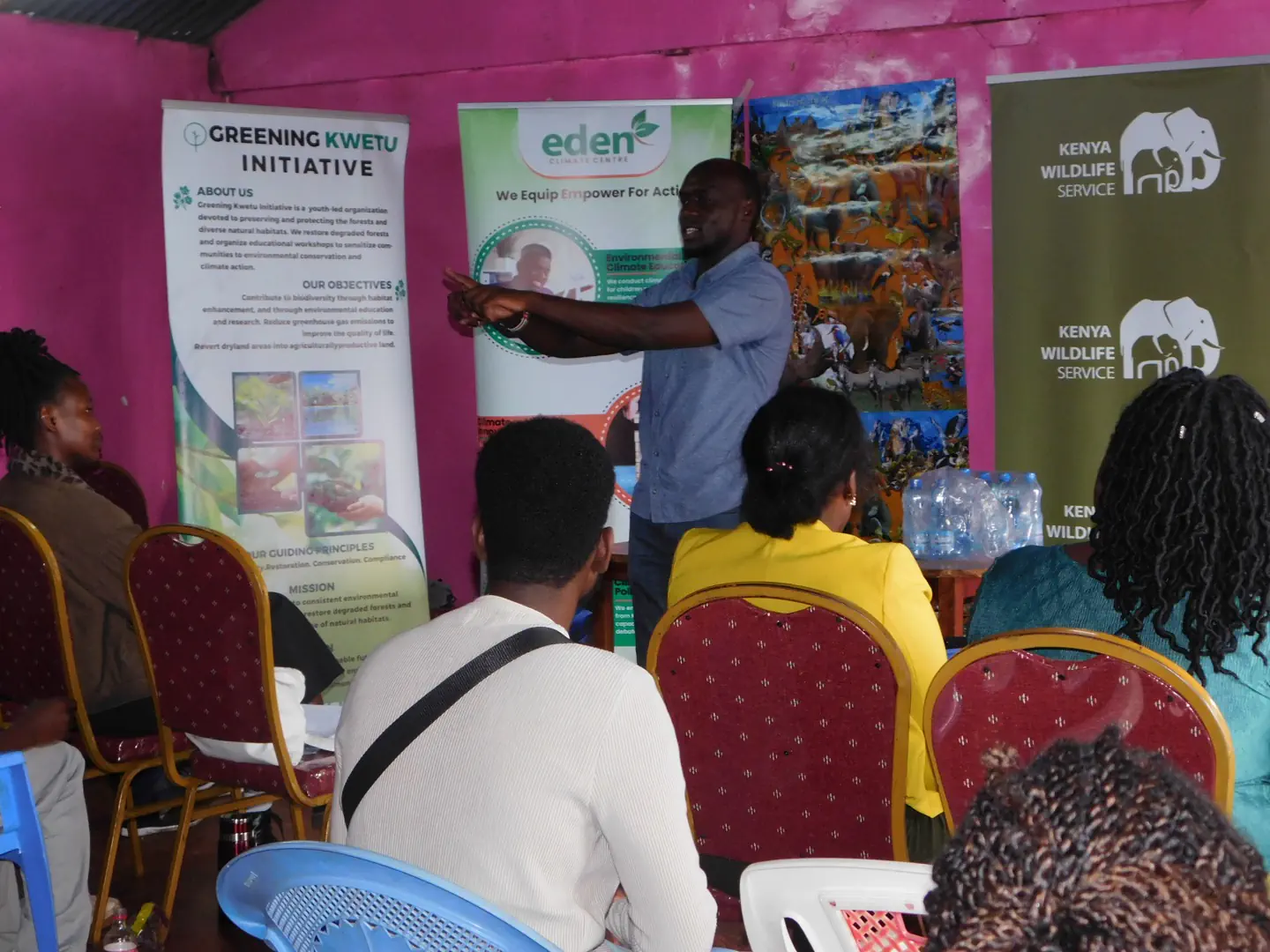
In early 2026, Greening Kwetu Initiative launched its very first Climate Fellowship cohort — a bold bet on youth as the frontline of climate action. The goal was simple but ambitious: take young people who cared about the environment and give them the knowledge, tools, and networks to become genuine agents of change in their communities.
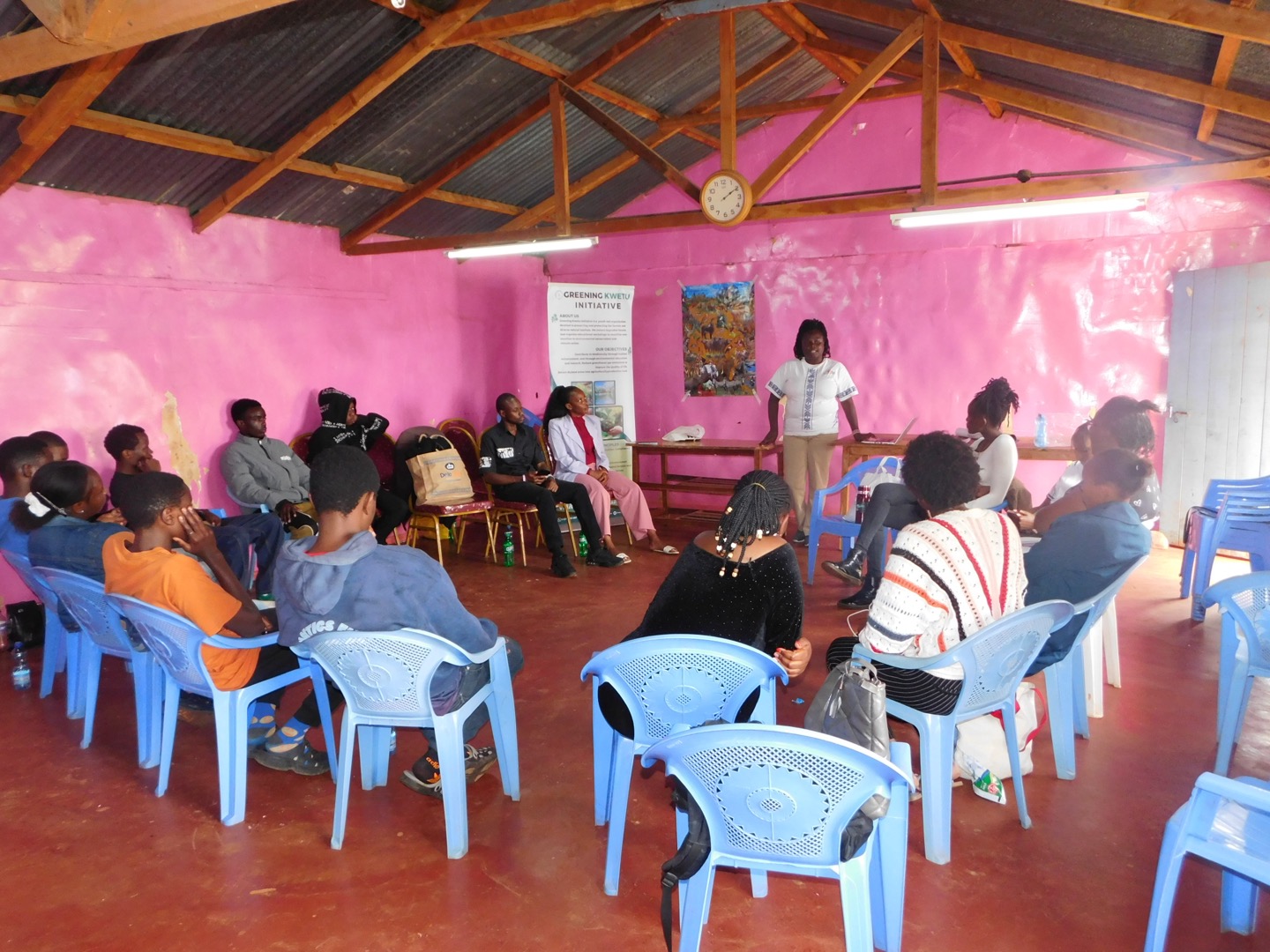
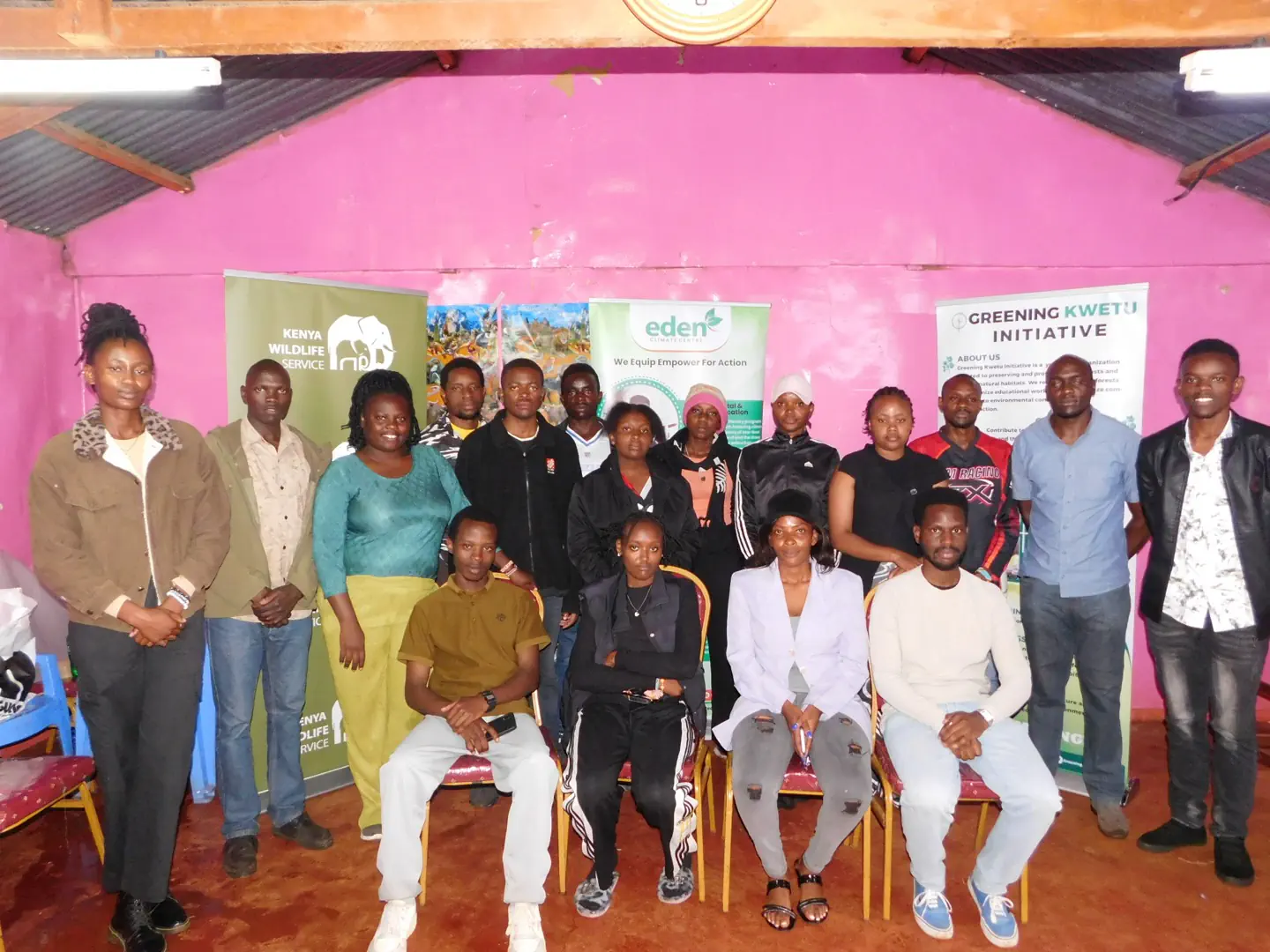
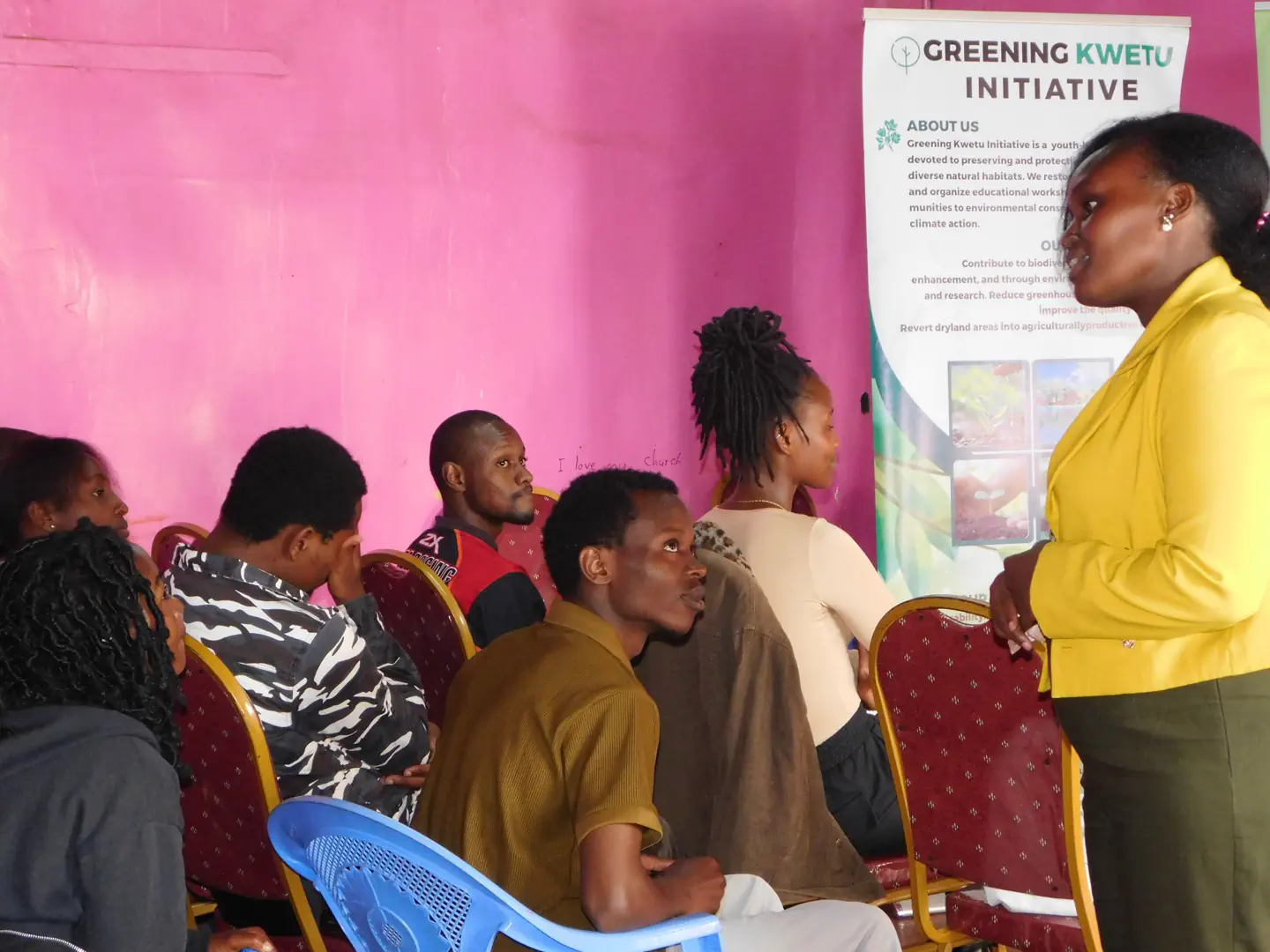
Over three weeks — blending online sessions with an intensive five-day in-person residential in Ngong Town — 30+ TVET students and youth immersed themselves in a curriculum unlike anything offered in a standard classroom. They arrived curious. They left transformed.
What the Fellows Learned
The curriculum spanned six interconnected themes, each delivered by practitioners with deep field experience:
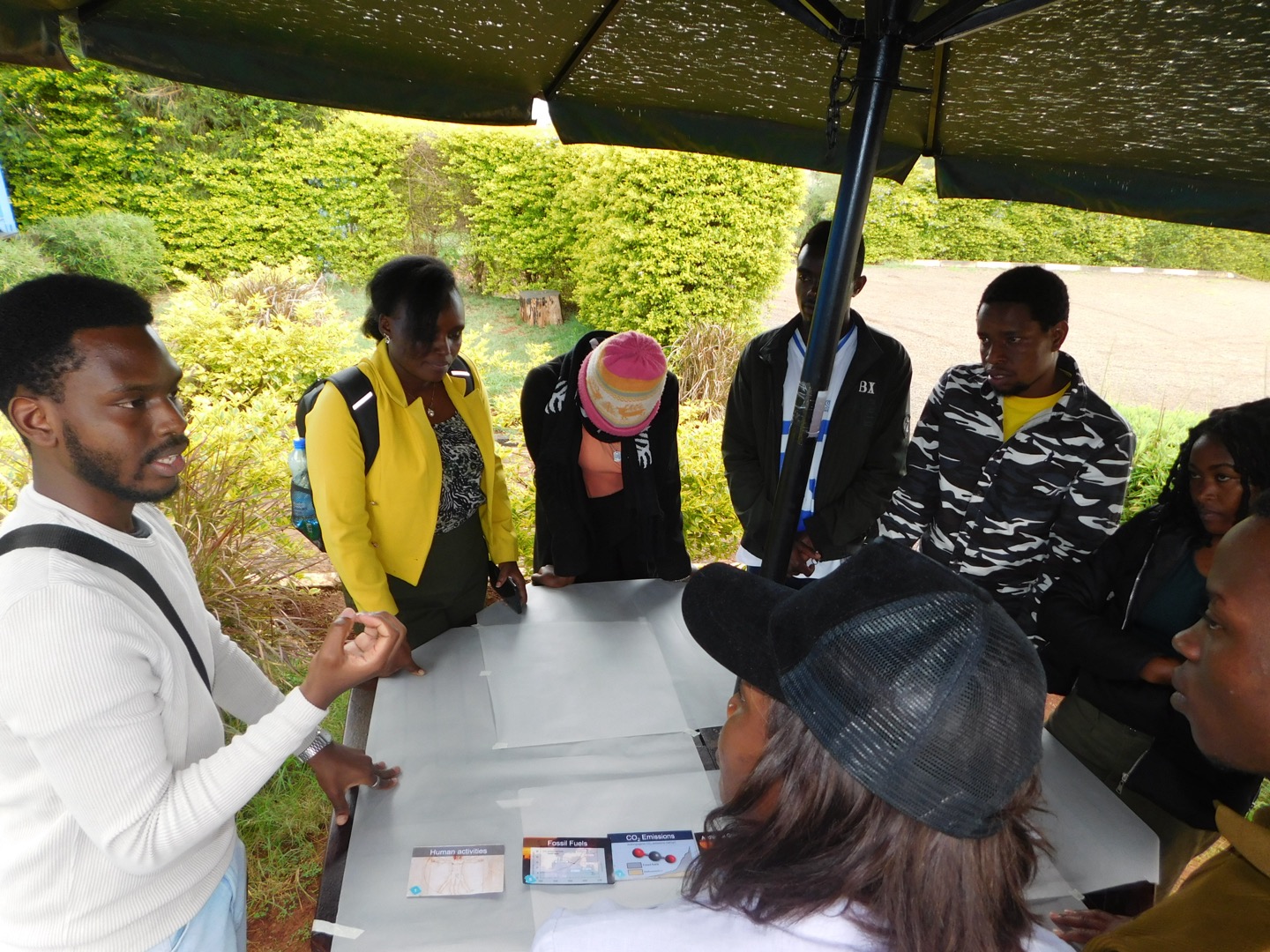
Climate Fresk — The Card Game on Climate Change
Fellows worked through the internationally-recognised Climate Fresk workshop — a collaborative card game that maps the causes and consequences of climate change. Through group play, they discovered how interconnected systems — agriculture, energy, biodiversity, and society — drive the climate crisis and what levers exist to reverse it.
Wildlife Knowledge & Precautions
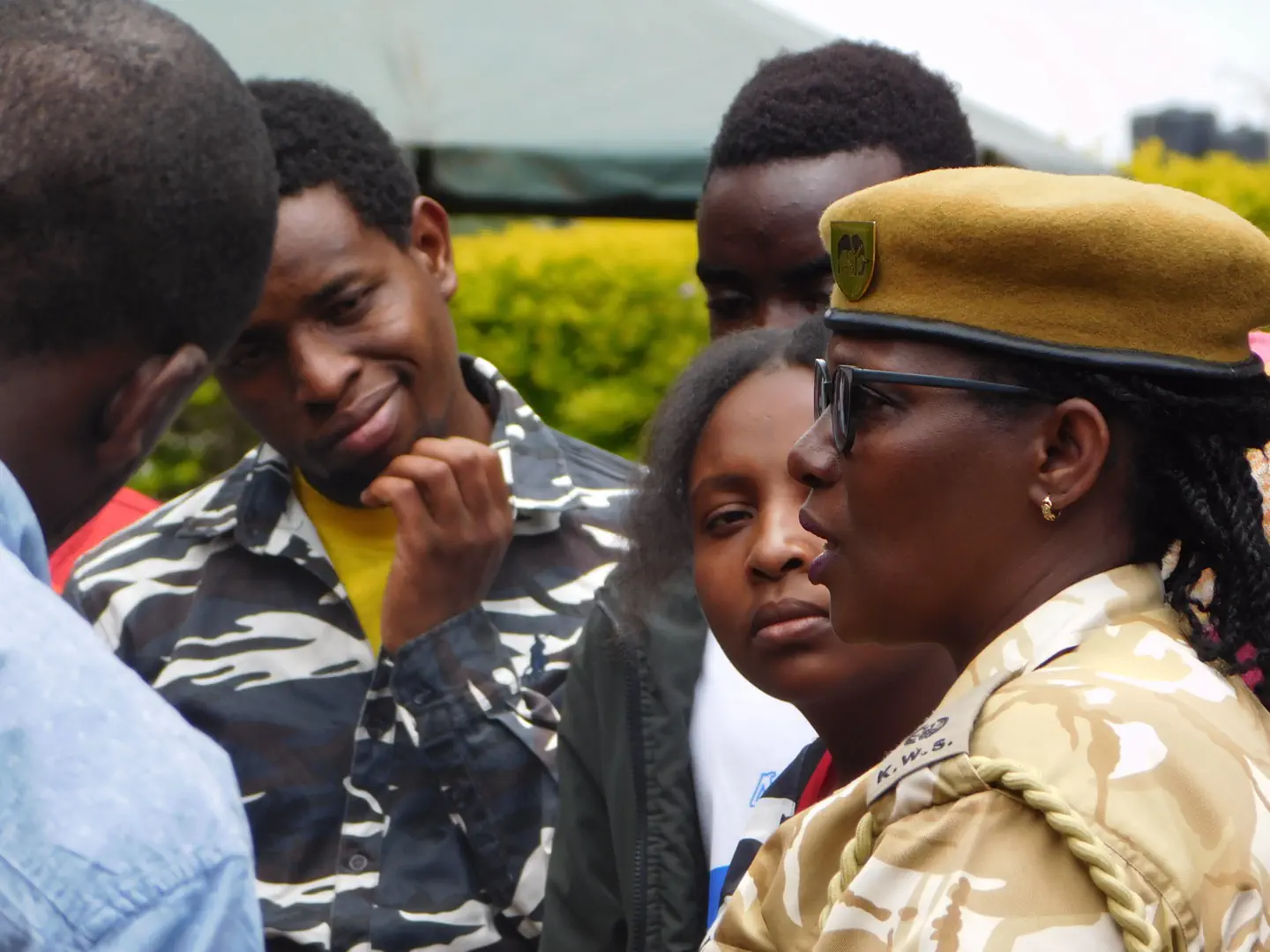
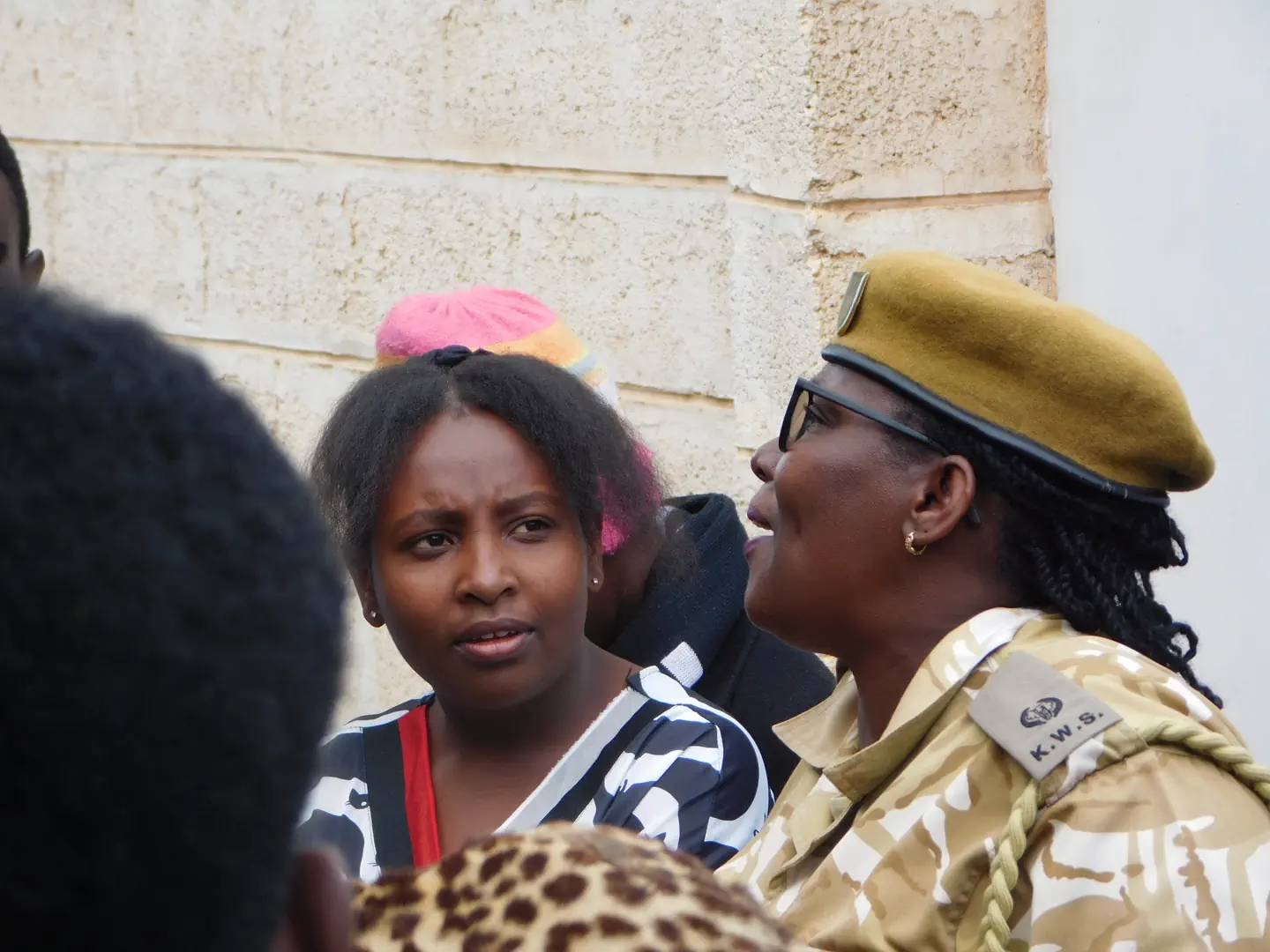
Experts from the Kenya Wildlife Service (KWS) led sessions on wildlife identification, safe coexistence, and the precautions communities must take when living near wildlife corridors. Fellows learned to read animal behaviour, reduce human-wildlife conflict, and respond to wildlife emergencies responsibly.
Wild Animal Husbandry
Fellows explored the principles of wild animal husbandry — from nutrition and habitat requirements to captive care and rehabilitation. This session bridged conservation science and practical animal stewardship, equipping fellows with knowledge that translates directly into community conservation roles.
Tree Diversity & Preservation
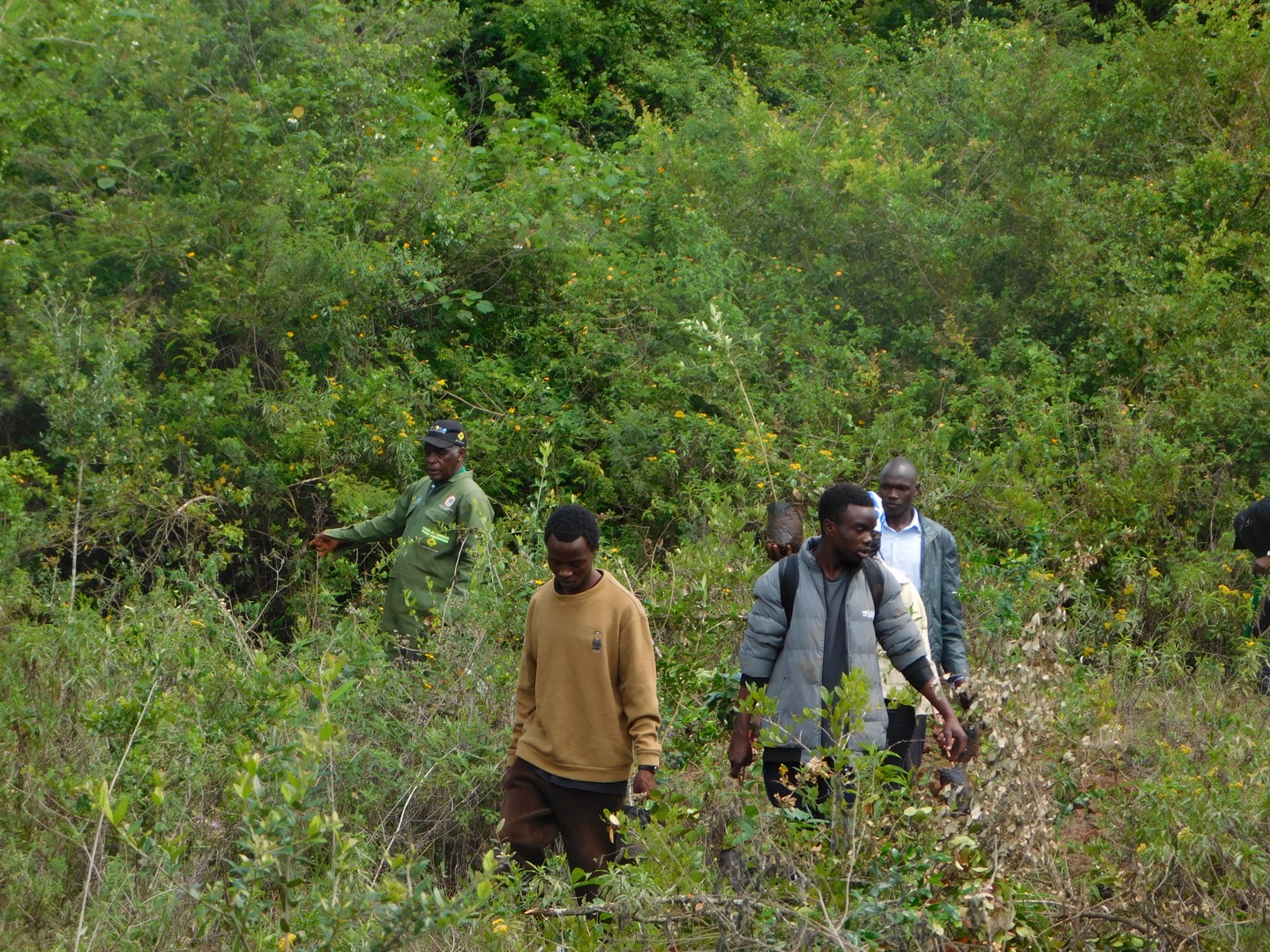
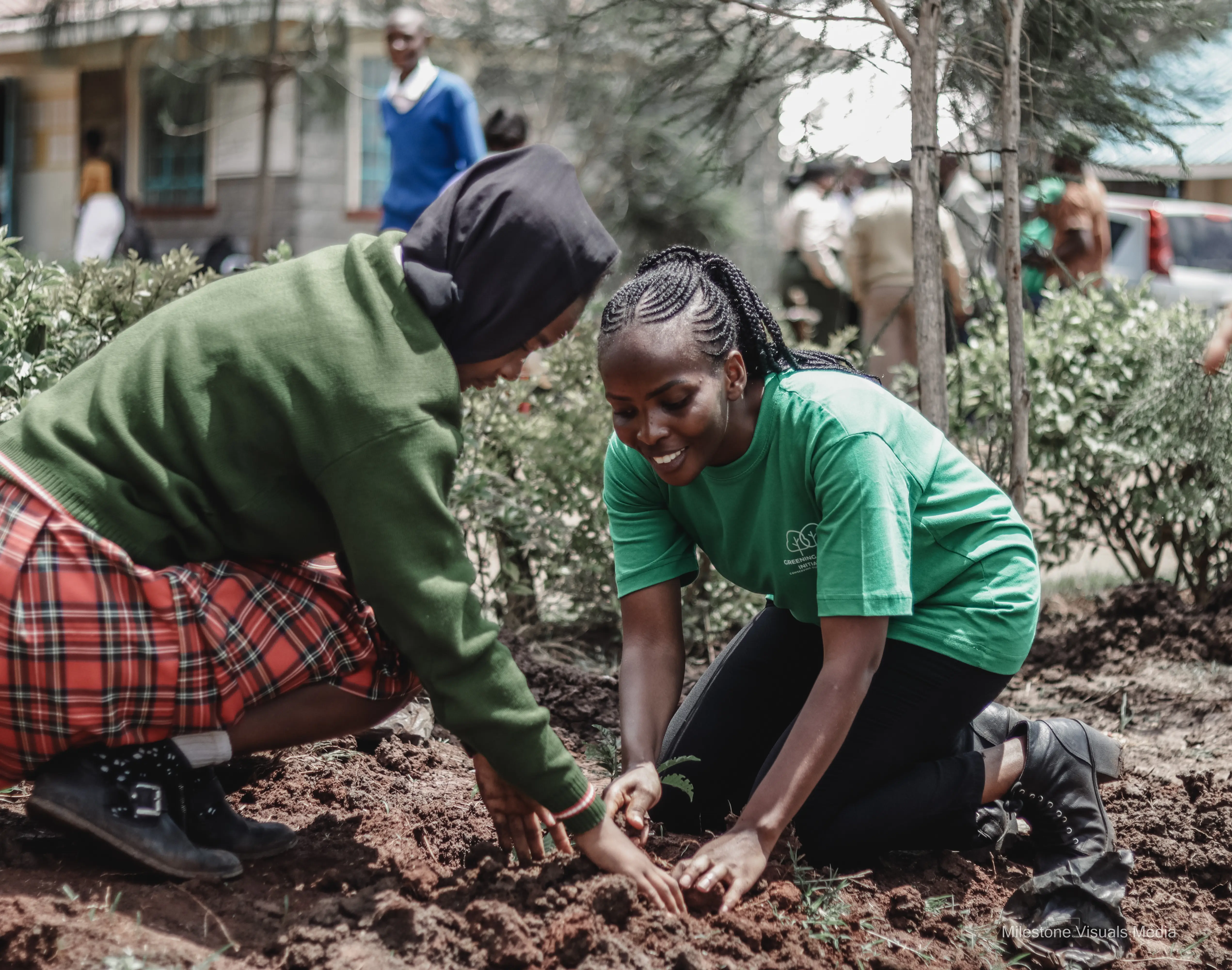
Kenya Forest Service officers guided fellows through Kenya’s rich tree diversity — from highland cedar and acacia to coastal mangroves. Fellows learned to identify species by leaf, bark, and seed, and explored nursery management and long-term preservation techniques for degraded landscapes.
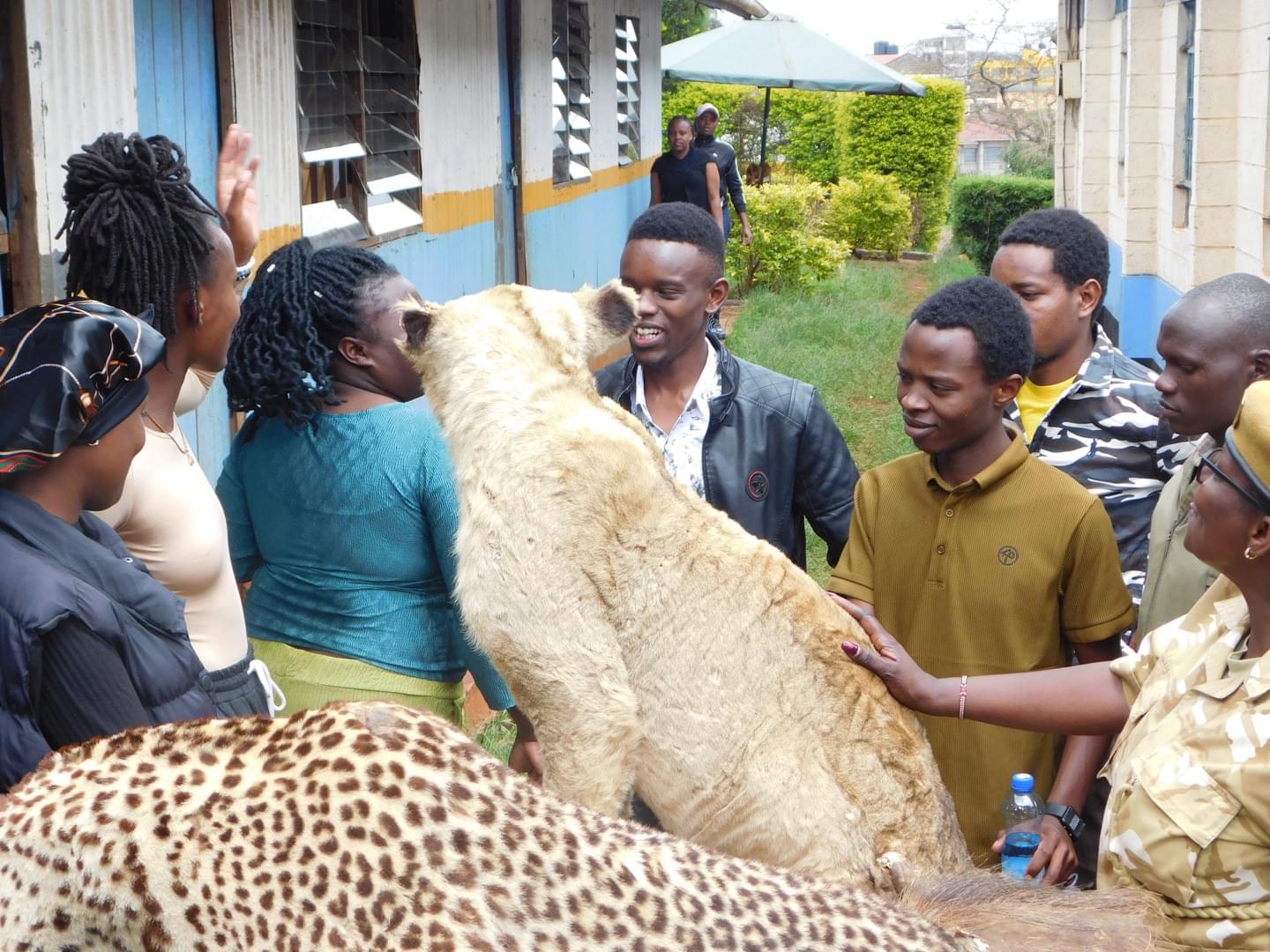
Wildlife Features & Taxidermy
In one of the most memorable sessions, fellows explored the distinctive physical features of Kenya’s wildlife — from the structural adaptations of savanna mammals to the plumage of endemic bird species. They were introduced to taxidermy as a tool for species documentation, museum education, and conservation storytelling.
Climate Laws — Local & International
Fellows studied the legal frameworks underpinning environmental protection — from Kenya’s Environment Management and Coordination Act (EMCA) and the Forest Conservation and Management Act, to the Paris Agreement, the Convention on Biological Diversity (CBD), and the Kunming-Montreal Global Biodiversity Framework. These laws empower fellows to advocate, monitor, and hold institutions accountable.
A Community Forged in Three Weeks
Beyond the curriculum, what made this cohort special was the community that formed. TVET students who had never thought about wildlife law were debating the Paris Agreement. Youth who had grown up in Ngong were learning the Latin names of trees they had climbed as children. Strangers became collaborators — and collaborators became friends united by a shared mission.
By the final day, each fellow had completed a personal climate action plan — a concrete commitment to carry their learning back into their schools, communities, and careers. That is the Greening Kwetu promise: knowledge that doesn’t stay in the room.
In the Field
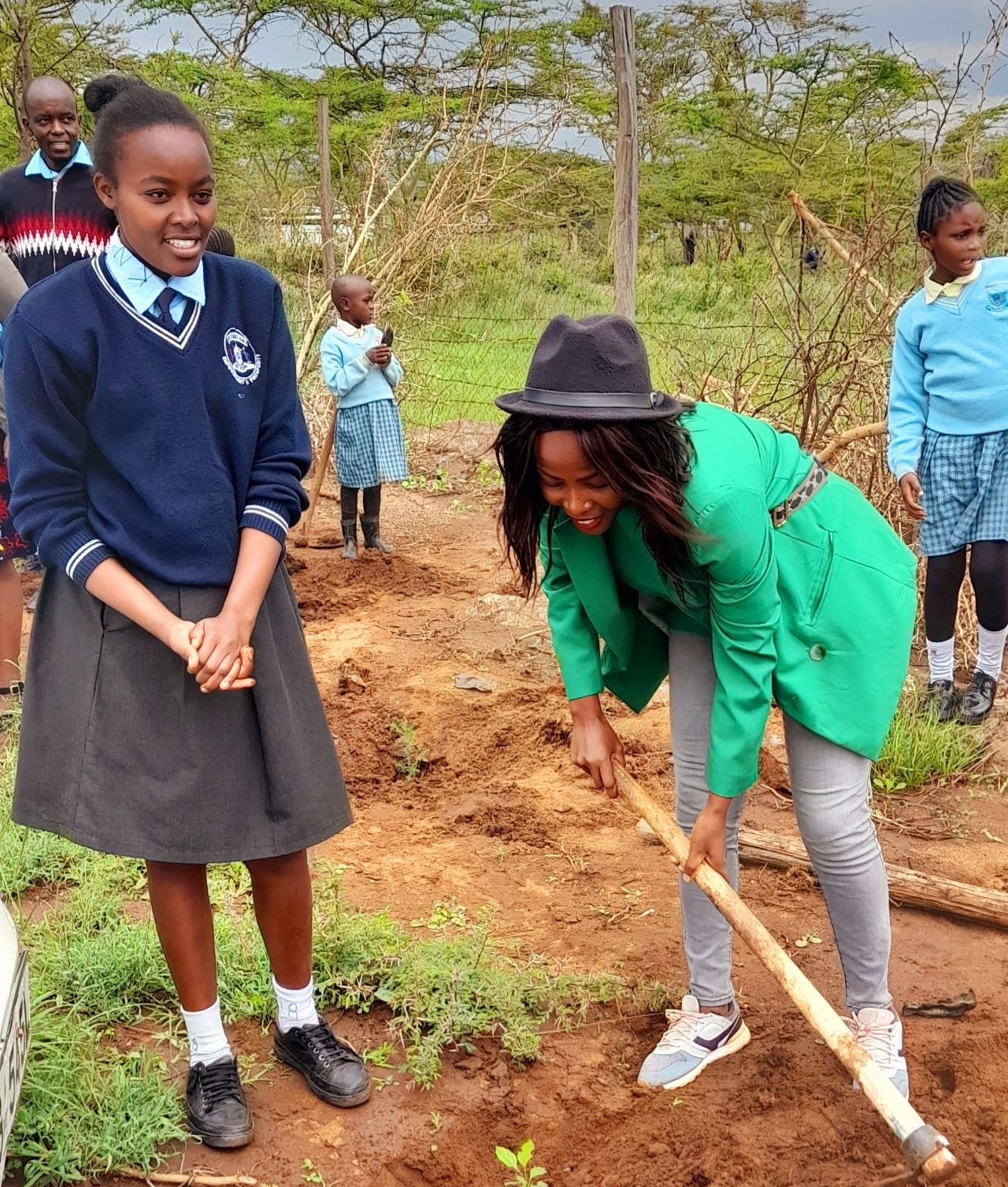 Project · Apr 2024
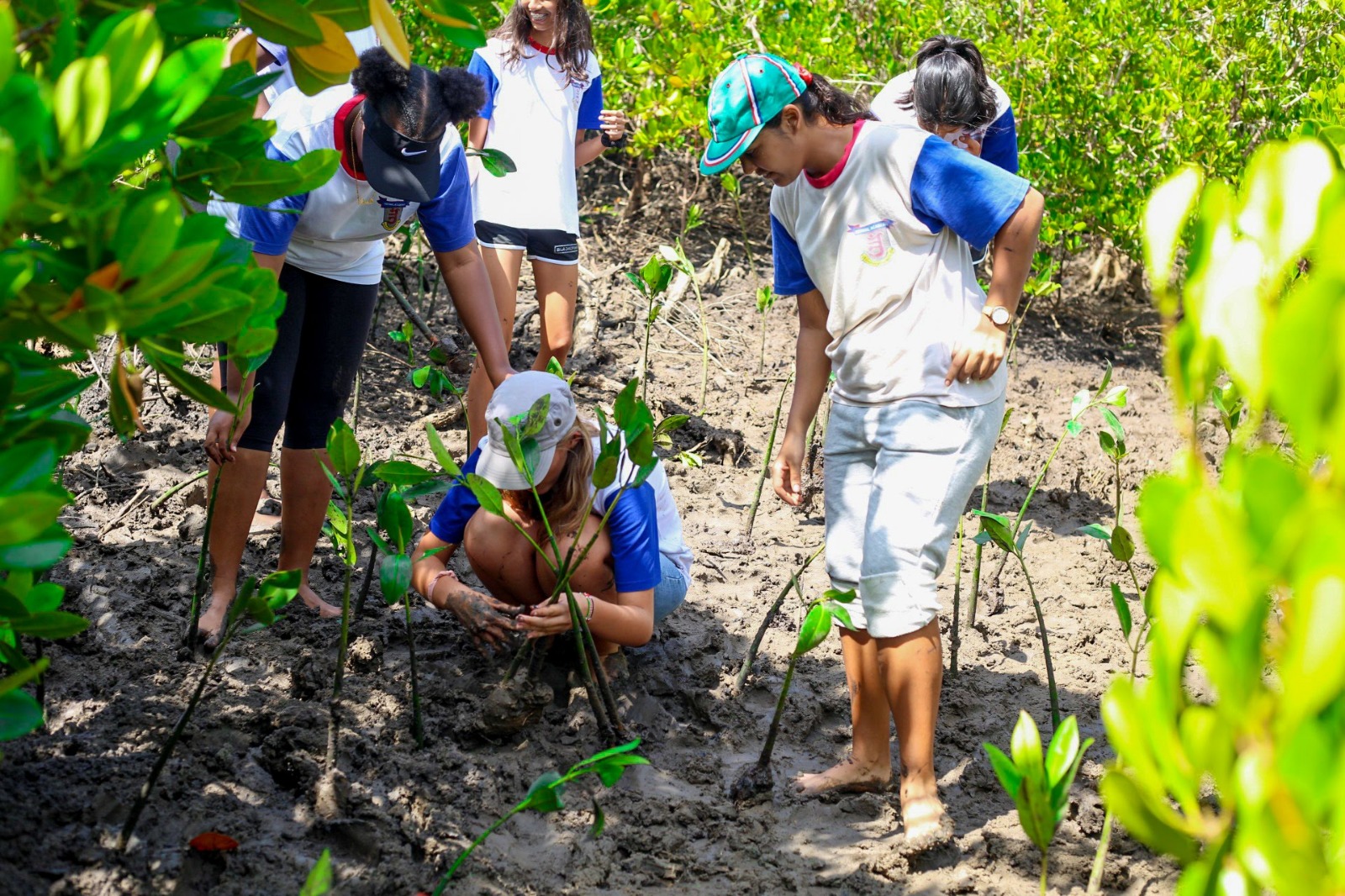 Project · Jul 2024
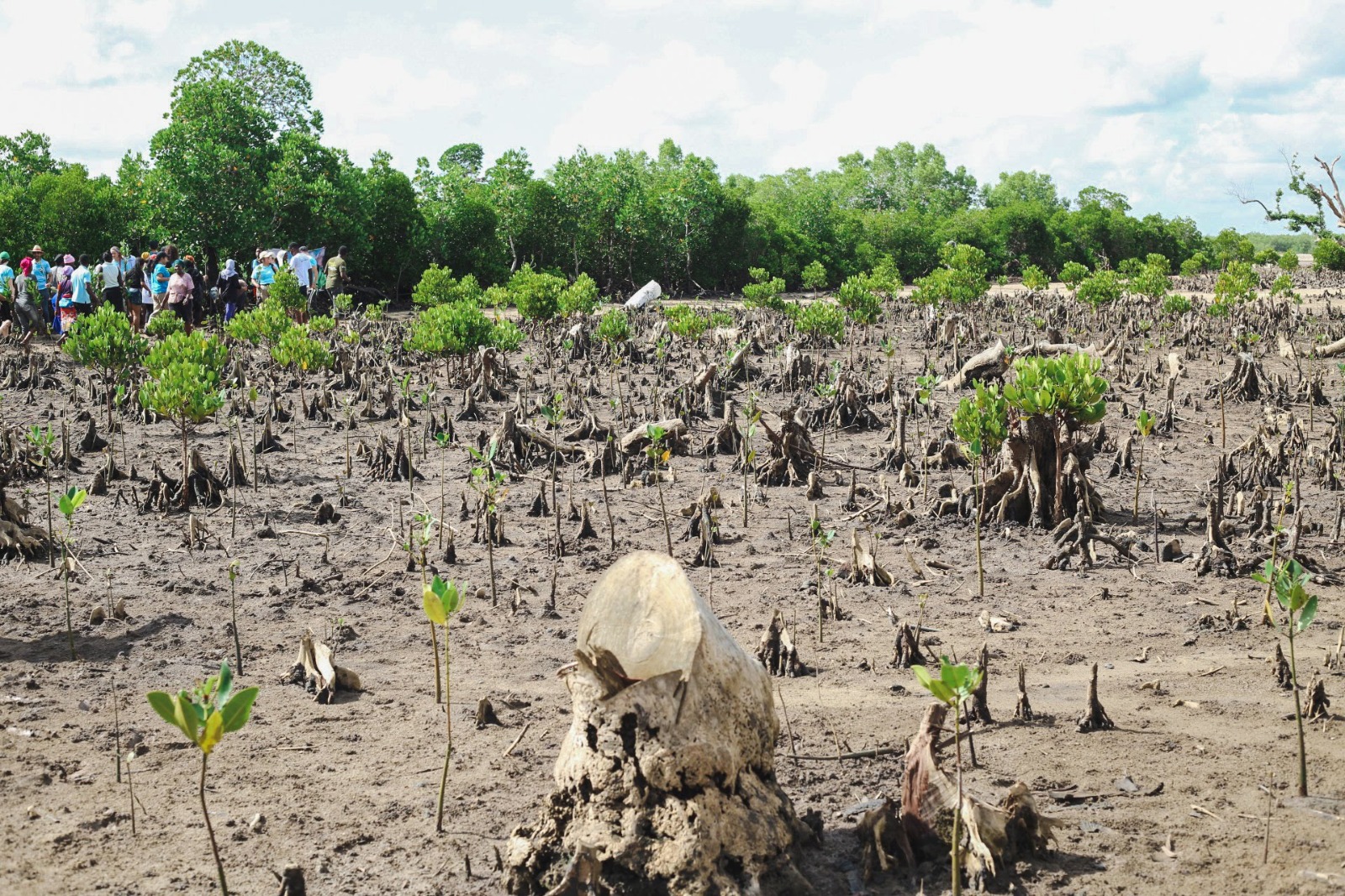 Project · Oct 2024
 Project · Jan 2025
 Program · Quarterly
 Program · Ongoing
 Campaign · Apr 2025